









2027 IPPS Final Rule
Featured article
CMS published the final rule for Hospital Inpatient Quality Reporting and Medicare Promoting Interoperability programs for FY 2027.
The Joint Commission established standard LD.04.03.08 with six elements of performance targeting health care disparities, effective January 1, 2023.
Effective January 1, 2023, new and revised requirements to reduce health care disparities apply to organizations in the Joint Commission's ambulatory health care, behavioral health care and human services, critical access hospitals, and hospital accreditation programs.
A new standard in the Leadership (LD) chapter (LD.04.03.08) with 6 new elements of performance (EPs) has been developed to address health care disparities as a quality and safety priority. (See the R3 Report Issue 36 for full details.)
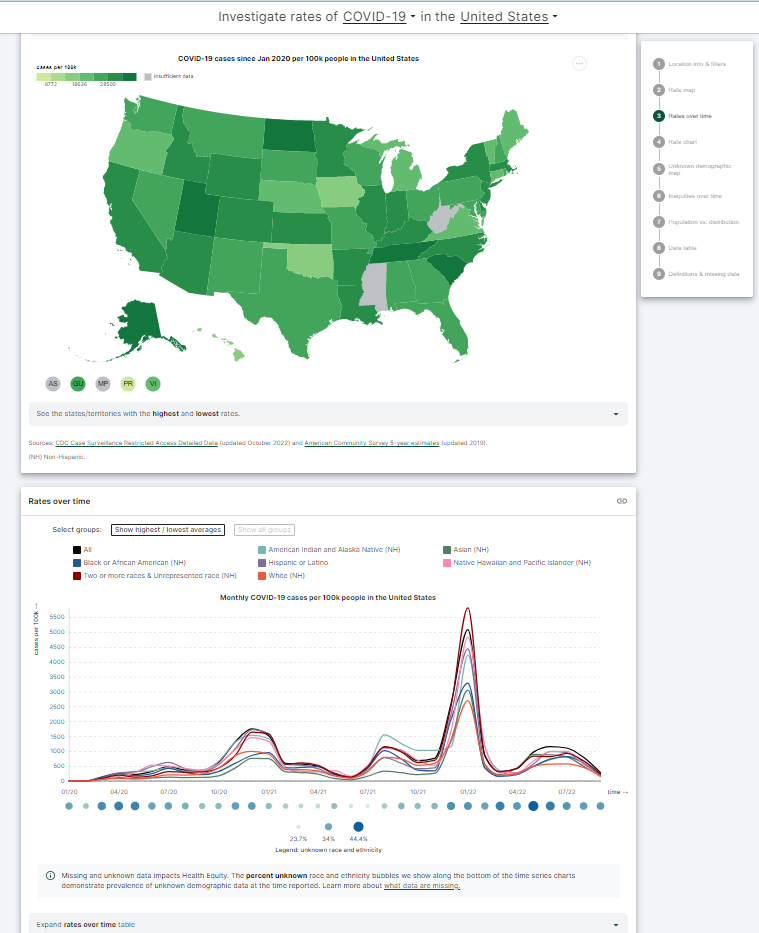
LD.04.03.08 applies to all critical access hospitals and hospitals, ambulatory health care organizations providing primary care, and behavioral health care and human services organizations.
EP 1: Designate an individual(s) to lead activities to reduce health care disparities for the organization's patients.
EP 2: Assess the patient's health-related social needs and provide information about community resources and support services. Examples of health-related social needs include:
EP 3: Identify health care disparities in the patient population by stratifying quality and safety data using sociodemographic characteristics of the organization's patients.
EP 4: Develop a written action plan that describes how the organization will address at least one health care disparity identified in its patient population. The action plan should define the specific disparity and population(s) of focus, the improvement goal, strategies and resources needed, and the process for monitoring progress.
EP 5: Steps to follow when goals established in the action plan are not achieved or sustained.
EP 6: At least annually, inform key stakeholders (including leaders, licensed practitioners, and staff) about the progress to reduce identified health care disparities.
The requirement to collect patient race and ethnicity information has been revised to help better understand the patient population and allow organizations to stratify key quality and safety measures to identify potential disparities in care.



.svg)