




.svg)



Acmeware Achieves 100% Submission Success
Featured article
Acmeware completes 100% successful submissions for eCQM, PQRS, Hospital IQR, and Joint Commission ORYX using OneView for acute and ambulatory settings.
Article content
It is 2:14 AM on a Tuesday. Your phone buzzes: MEDITECH is unreachable. You are the IT director at a 92-bed community hospital, and you are also the entire IT security team and disaster recovery coordinator. A nurse on 3-West is trying to pull a medication list for a transfer patient. She cannot.
According to the Ponemon Institute's 2024 report, 92% of healthcare organizations experienced at least one cyberattack in the past 12 months. That includes the 700+ rural hospitals at financial risk of closure.
When your MEDITECH EHR goes dark, medication lists vanish, allergy alerts disappear, lab results become inaccessible, and active orders go silent. For a community hospital with one or two IT staff, it can become a patient safety event.
Our founder, Glen D'Abate, spent 13 years at MEDITECH building the Data Repository. Our president, Joel Benware, was a hospital CIO. What we keep seeing: you know the risk, but the tools the market offers were not built for you.
Enterprise downtime platforms assume infrastructure, budget, and IT staff you do not have. Our MEDITECH Alliance Collaborator status reflects a genuine technical partnership with MEDITECH itself.
The average healthcare data breach costs $9.8 million (IBM/Ponemon 2024). For a critical access hospital on 1-3% margins, that is existential. Costs compound: patient diversions, billing lag, staff overtime, and eroding community trust. See the true cost of EHR downtime for critical access hospitals.
HHS has proposed HIPAA Security Rule updates mandating 72-hour system restoration. Your hospital must demonstrate it can restore clinical data access within three days of any disruption, with a functioning system your staff can access during downtime.
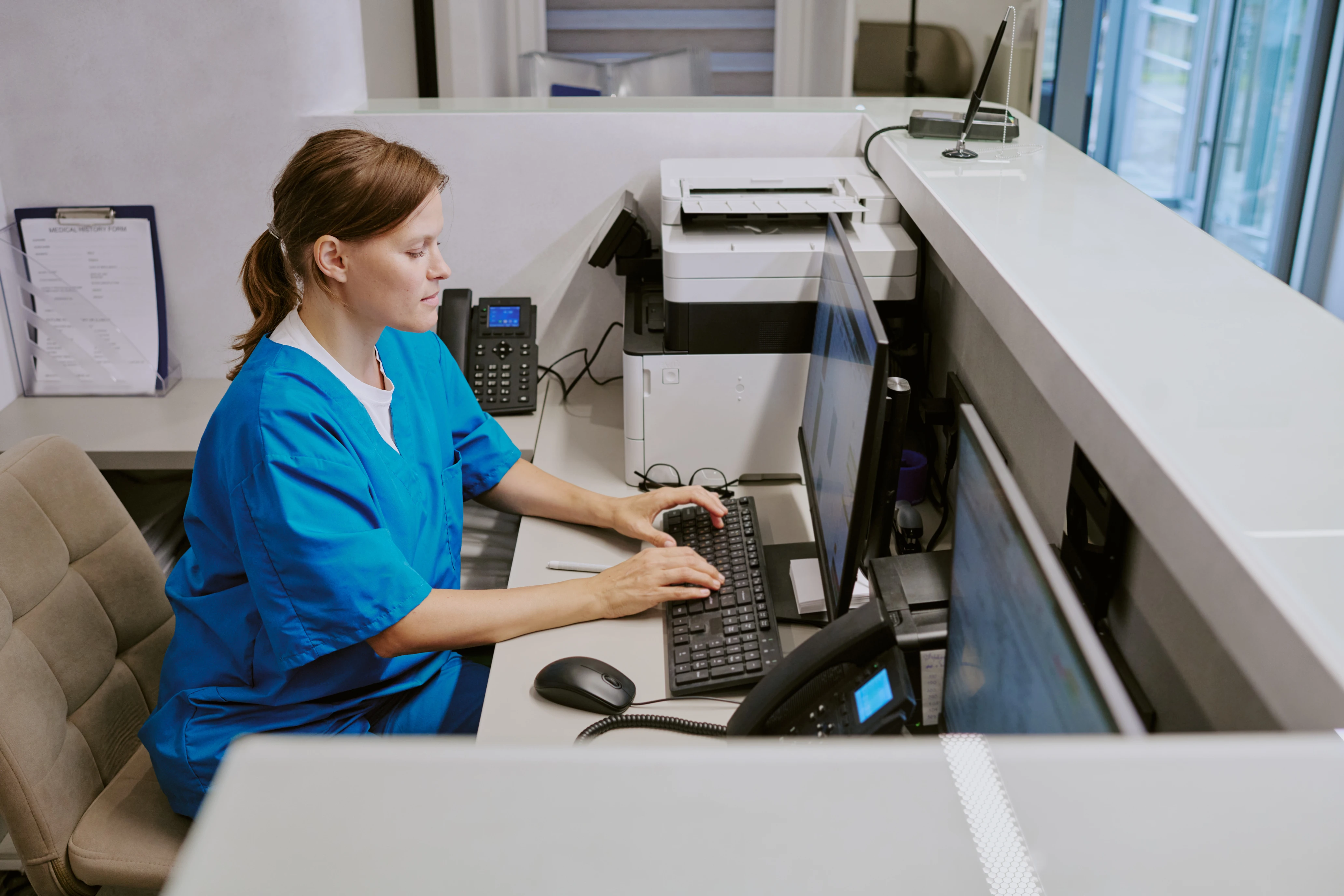
Same hospital, same ransomware alert. But this time the nurse opens a browser and accesses PDF reports automatically generated from your MEDITECH data. Patient demographics, medication lists, allergies, active orders, lab results -- all updated on your configured schedule. She has what she needs in two minutes.
Anderson Hospital, a 154-bed community hospital running MEDITECH Expanse, chose this approach. Mike Ward, Chief of Information Services: "Downtime Defender removes a lot of stress. We know our clinicians could access the information they need to safely treat patients." Read how Anderson Hospital eliminated downtime stress.
Enterprise platforms from IPeople and Interbit Data are built for large multi-facility systems. For a community hospital: wrong infrastructure assumptions, long timelines, disproportionate cost. See enterprise downtime solutions vs. purpose-built alternatives.
When that conversation happens, you want a clear answer: "We have a system in place. Patient data is backed up and accessible. Our clinicians can continue providing care even if our EHR goes down." See our ransomware readiness checklist for small MEDITECH hospitals.



.svg)